 By Jasmine LawsShareNewsweek is a Trust Project member
Research over the years has found that a black mold, formed from a number of different fungi, has been growing toward radioactive particles, and surviving on ionizing radiation, at the Chernobyl nuclear power plant in Ukraine.
Ionizing radiation is any electromagnetic or particulate radiation that has enough energy to detach electrons from atoms, and can cause chemical changes in cells and damage DNA.
Humans are exposed to ionizing radiation via natural sources, but too much exposure can result in health hazards.
Why It Matters
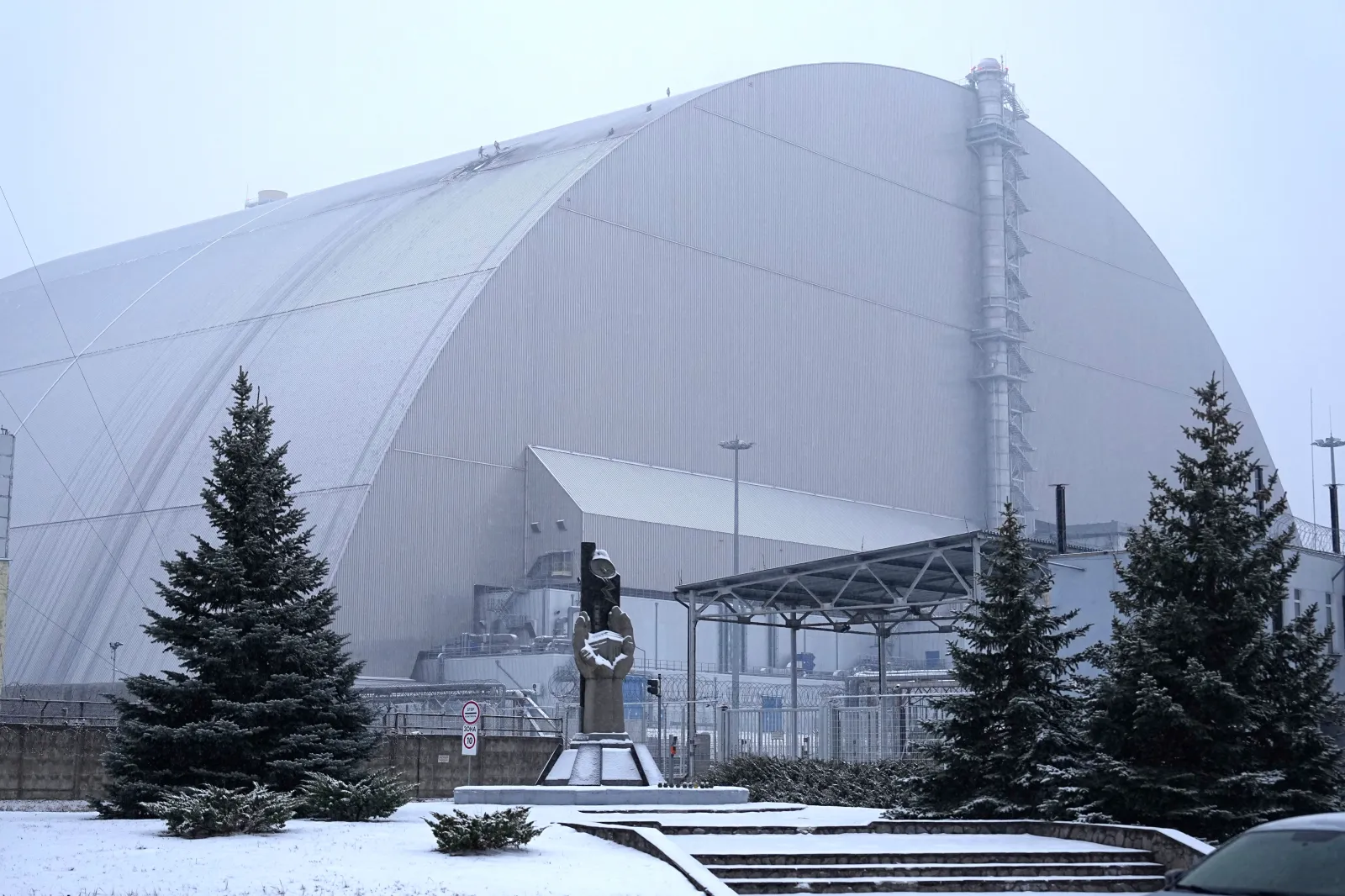
In April 1986, several explosions at the Chernobyl nuclear power plant's reactor number four sent a fireball of radioactive material into the atmosphere, and resulted in widespread radiation-induced illnesses and deaths among humans and animals.
The reactor has since been contained and an exclusion zone was created covering 1,600 square miles—although scientists are allowed to obtain special permits to enter for a limited period of time.
Some scientists have since found that in the reactor black mold has been thriving on the radioactive particles—this research has sparked investigation into whether the fungi could also protect astronauts from cosmic radiation.
 ...
...What To Know
Scientist Nelli Zhdanova found black mold at the site after a visit in 1997, and later noticed after gathering soil samples that the ionizing radiation at the reactor was attracting numerous types of fungi.
She found more than 35 types of fungi growing around Chernobyl, some of which she deemed were "radiotropic" as they reached for radiation in the same way plants reach for sunlight.
Other research has since identified that black fungi are able to withstand extreme radiation stress due to the presence of melanin—a pigment many organisms have including humans.
For humans, melanin protects our skin from ultraviolet radiation (UV), but for the fungi, the melanin seemed to protect them from ionizing radiation.
The researchers, who included scientist Ekaterina Dadachova, went on to find that the fungi could adapt to radiation exposure, and prompted investigation into whether fungi could help to clean up radioactive sites and even protect astronauts from harmful radiation in space.
Dadachova also found that Chernobyl's fungi actually increased in the presence of radiation as well. Melanized fungi grew significantly faster in the presence of ionizing radiation, compared to the same fungi not exposed to the radiation.
In addition, her research established that the fungi seemed to be using the radiation as an energy source, driving its metabolic processes. Dadachova described this process as "radiosynthesis," the theory that the fungi was using radiation as its source of energy.
It still remains a theory, as scientists still need to better understand the exact mechanism happening in the fungi that could convert radiation into energy.
It has also been found that not all melanized fungi will grow toward a source of radiation—so there is still much more to be uncovered.
However, the findings have had implications for space exploration, and particularly how to better protect astronauts traveling in space from galactic cosmic radiation, which can increase their risk of radiation sickness and their lifetime risk of cancer.
It was found that the same fungi identified at Chernobyl were also unphased by galactic cosmic radiation. Some researchers sent some of the fungi to the International Space Station, and noticed that they experienced a higher growth rate than in the ground control.
This enhanced growth could, however, have been down to a number of factors, the researchers said, and so more research is needed to better understand the fungi's reaction to cosmic radiation.
The researchers also tested whether the fungi could block radiation, finding that even fungi in a petri dish provided an effective shield from radiation, suggesting they might actually absorb radiation.
What Happens Next
More research is still being done to better understand how the fungi work, what mechanisms exist within them that could convert radiation to energy, and what could enable them to absorb radiation.
Request Reprint & LicensingSubmit CorrectionView Editorial & AI Guidelines Add Newsweek as a preferred source on Google to see more of our trusted coverage when you search.
Recommended For You
 NewsThousands Advised to Stay Inside in Oregon3 min read
 NewsBar Offers Free Beer to People Who Report Migrants to ICE3 min read
 NewsList of Stores Closing in December4 min read
 NewsUncommon Knowledge: Trump Closes Venezuelan Airspace, but Not NATO Airspace5 min readNewsStrange Chernobyl Black Fungus May Eat Radiation4 min read
 NewsMap Shows Winter Storm Snowfall Totals Forecast for Each State3 min read
Related Podcasts
Top Stories
 NewsTrump Says He Spoke to Venezuela’s Maduro Amid Tensions3 min read
 NewsManhunt Underway After 3 Children Killed at California Birthday Party4 min read
 NewsPete Hegseth Trolls Critics Over Boat Strikes2 min read
 WorldHonduras Election Results: Trump-Backed Nasry Asfura Takes the Lead5 min read
 NewsMap Shows Winter Storm Snowfall Totals Forecast for Each State3 min read
 News5 Polls That Spell Trouble for Donald Trump and the Republicans4 min read
Trending
 NWSWinter Storm Warning as 8 Inches of Snow to Hit North and Midwest3 min read
 Donald TrumpMap Shows Donald Trump’s Approval Rating in Each State After 10 Months4 min read
 WeatherWinter Storm Warning As 13 Inches of Snow To Strike: ‘Extreme Caution’3 min read
 FloridaAmazon Driver Sees Food Left for Stray Cats—Ring Cam Captures What He Does3 min read
 Delta AirlineDelta Air Lines Plane Slides Off Runway During Winter Storm1 min read
Opinion
 OpinionConventional Wisdom: The Somali Minnesota Welfare Fraud Edition3 min read
 OpinionRedefining Professional Degrees Will Hurt Everyday Americans | Opinion5 min read
 OpinionAI Is Coming for Our Most Intimate Communications. Congress Must Act | Opinion5 min read
 OpinionConventional Wisdom: The Thanksgiving Tragedies Edition3 min read
 OpinionConventional Wisdom: The Anti-Thanksgiving Edition3 min read