 rvlsoft/Shutterstock
Nintendo has had something of a problematic history with its struggle between disc and cartridge-based storage for consoles. It dates back to the N64, which Nintendo insisted would be a cartridge-based console, as it didn't believe in the CD-ROM format. However, the smaller storage capacity compared to CDs turned off some developers, most notably RPG maker Squaresoft (now known as Square Enix). In the end, the groundbreaking "Final Fantasy VII" was the first in the franchise not to be on a Nintendo console, and was instead a definitive release for Sony's disc-based PlayStation.
Despite the N64 having plenty of generational hits, the console struggled with the limitations of cartridges. As a result, rivals like PlayStation were able to put out larger, more cinematic experiences that held closer to the developers' visions. Nintendo 64 ports often lacked features like cutscenes and voice acting, or had condensed gameplay and missing levels.
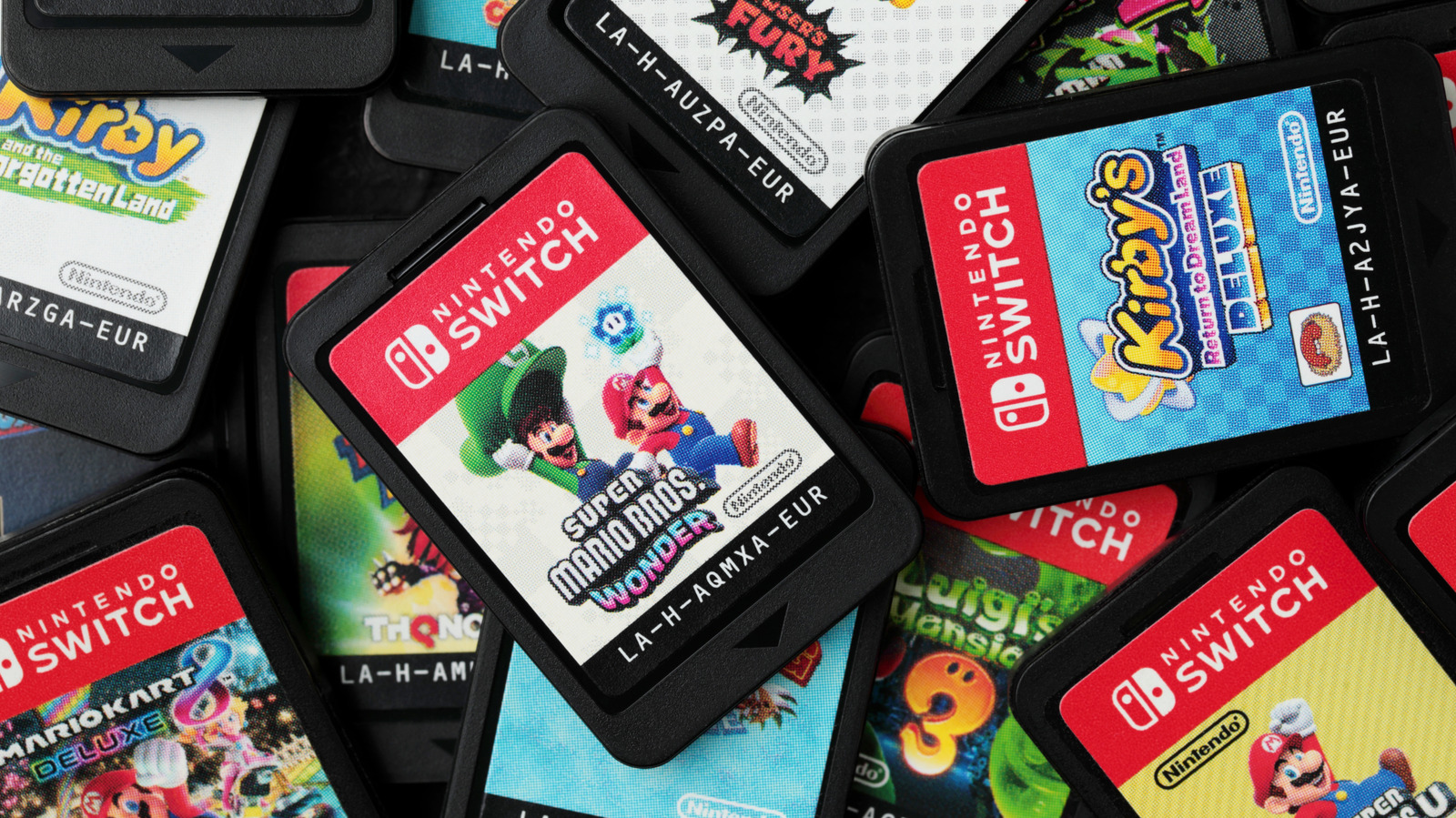
Nintendo tried its own unique mini-disc format for the GameCube before settling in with more standard DVDs for the ultra-popular Wii and its significantly less popular successor, the Wii U. However, with the game-changing Nintendo Switch and the Nintendo Switch 2, the company has now gone back to cartridges. So what led the company to leave the disc format behind after its prior experiences?
Cartridges allow the Switch to be a smaller console
 Wachiwit/Getty Images
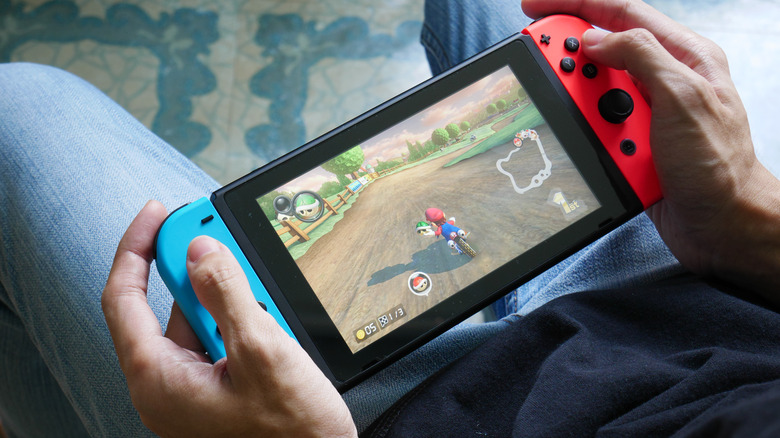
The reason appears to be pretty straightforward: it's strictly about making the revolutionary Switch handheld and its successor as compact as possible.
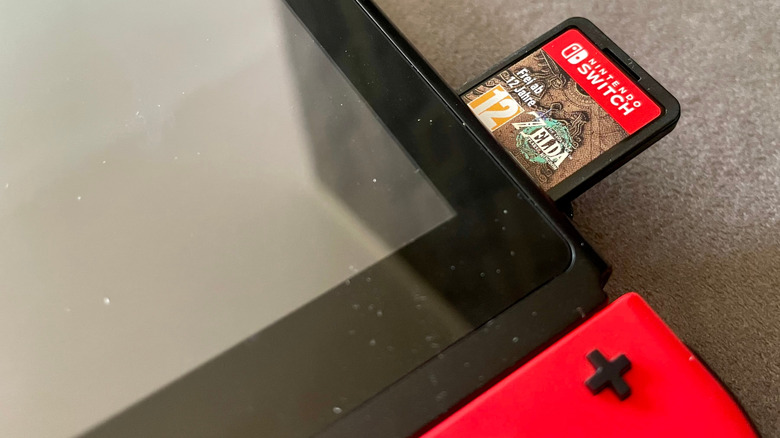
While Nintendo has never officially commented on the reasoning, it seems obvious when you look at the problem at hand. The Switch itself doesn't have the physical space to accommodate a disc drive without sacrificing some portability. There are other solutions, such as a mini-disc like the GameCube used, or even a hybridized format (think something like Sony's UMD for the PlayStation Portable), but those have their own problems: the physical space remains large, and battery drain would be greater, for example. Cartridges are more compact, meaning the slot can be minuscule. They're also faster than discs and allow for better battery life. Not to mention, there are no concerns about skipping or scratches while on the go.
They also don't have the space limitations of old anymore. The original Switch could support a cartridge up to 32 GB in size, while the Switch 2 goes as high as 64 GB (for sizes beyond that, Nintendo has stuck with hybrid digital releases like its Game Key format, or just packing download codes in boxes). It's still a far cry from the 100 GB you can squeeze onto a Blu-ray like Xbox and PlayStation, but it's pretty close.
Cartridges are more accessible for developers now too
 Veebass/Shutterstock
The cartridges that turned off so many developers with the Nintendo 64 had two big problems: they didn't have the space for the growing size of games, and they were considerably more expensive to produce than printing a disc.
Today, those concerns just aren't what they used to be for developers. Cartridge sizes are closer to disc sizes than ever before, and at the time of the Switch's conception, flash memory prices were dropping as the format became more commonly adopted (though current tech woes and rising technology prices could see that change).
Nintendo also never really abandoned cartridges, either. Microsoft and Sony have relied on discs from the onset, but a lot of that is convenience. Part of the marketing for PlayStation 2 and Xbox was that they were inexpensive DVD players; today, the PS5 and Xbox Series X are positioned as affordable 4K Blu-ray players. Even the PlayStation, which was at one point being co-developed with Nintendo and would have included an SNES cartridge slot, had a popularized CD player function. So it makes sense that they stuck with disc drives, even while trying to pivot users to all-digital. Nintendo, on the other hand, focused on building gaming machines first and foremost and continued to use cartridges in its handhelds, including the Game Boy Advance and Nintendo 3DS.
Ultimately, the decision to use cartridges with the Switch lineup appears to be purely pragmatic. By applying the existing technology and Nintendo's working knowledge of the cartridge format, the company created a unique hybrid handheld console that has redefined gaming. It just goes to show that you can't count Nintendo out, even when it's seemingly treading old ground.