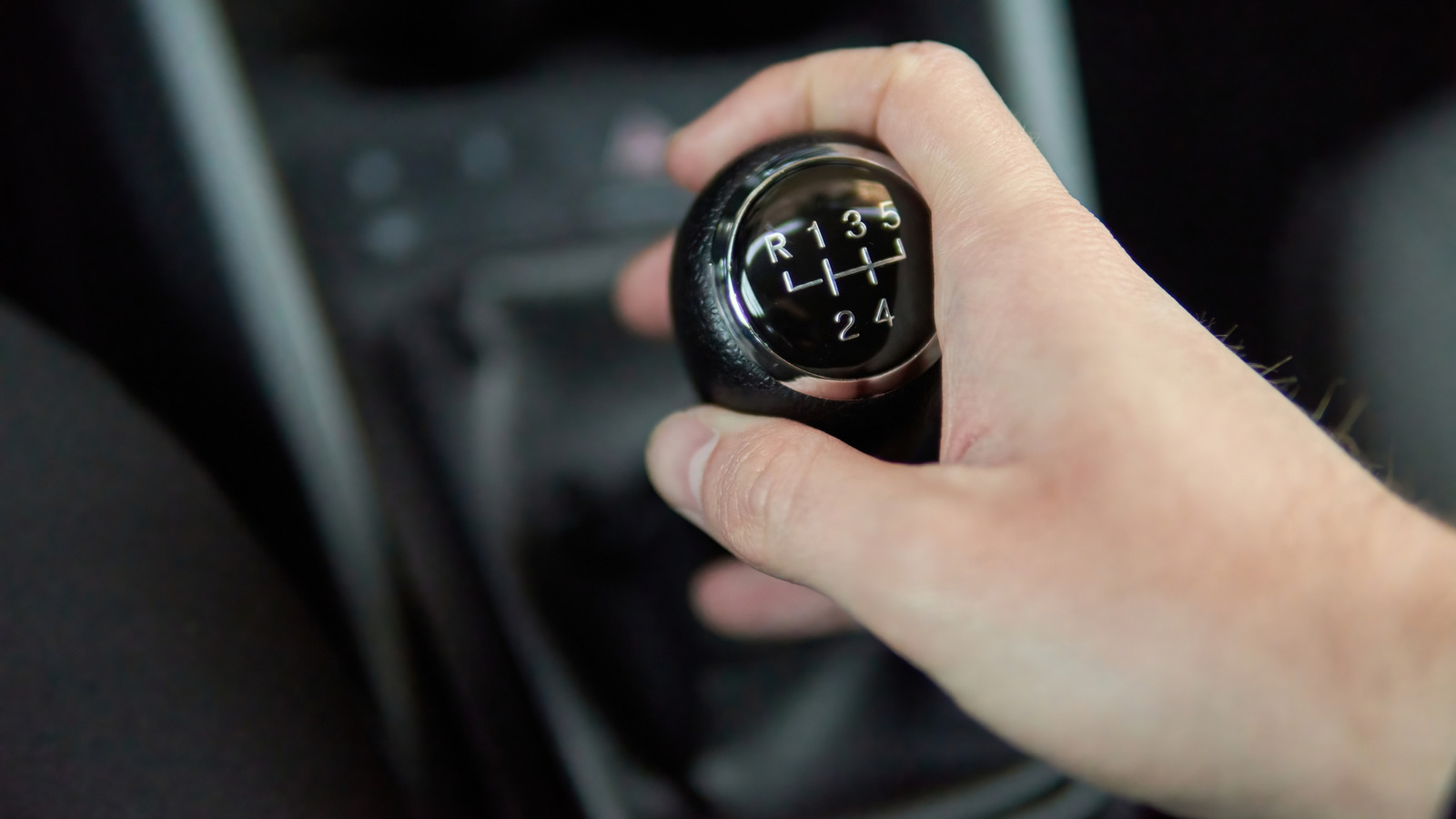
 Jovan M/Shutterstock
If we look back at automotive history, it was American cars that made automatic transmissions prominent. GM's Hydramatic transmission is considered one of the first automatic transmissions to be a commercial success. Other American car manufacturers quickly took notice, and it became not only reliable but very popular, creating more demand. Thanks to the added convenience it brought, there were no more missed gear shifts, embarrassing stalls, or overly muscular left legs. Even today in 2025, only 1% of the cars sold in the U.S. are manuals.
Meanwhile, in Europe, they did not adopt the automatic transmission as quickly as in North America. European automakers were focused on efficiency and driver engagement instead of convenience and luxury. Automatic transmissions were reserved for luxury cars and were considered expensive. That said, today, even Europe has seen a rise in automatic transmissions as automakers refine the technology to their advantage. Yet manual-equipped cars still have a loyal following, making up nearly 29% of new-car sales in 2024 across Europe's big five markets.
The primary reason why manual transmission lives on is economics. Manual transmission cars are not only cheaper to produce but also offer better gas mileage and are often cheaper to maintain than the usually heavy and inefficient torque converter automatics. At the time of writing, a gallon of gas in Germany costs more than double at roughly $7.45 USD, compared to the U.S. average of $3.00. Naturally, car owners prefer the more economical option. Even historically, gas prices in Europe have remained higher than in the U.S.
More factors behind Europe's preference for manuals
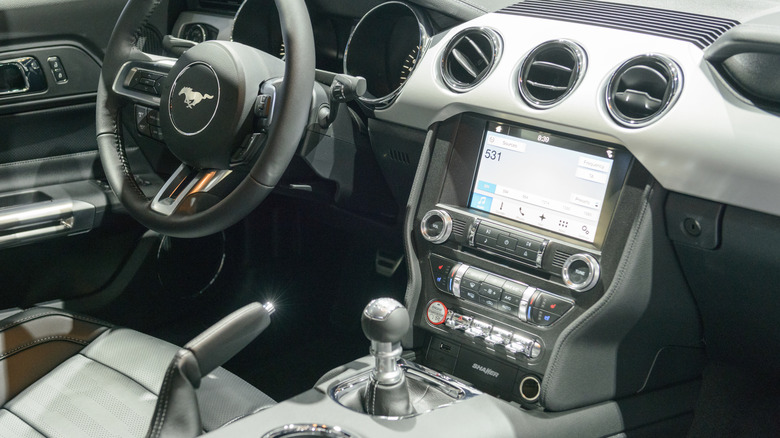 Sjoerd Van Der Wal/Getty Images
In some European countries, such as the UK, there are separate tests for automatic and manual driving: manual license holders can drive automatics, but automatic license holders cannot drive a manual. Because of this extra incentive, people prefer to learn a stick shift, which then becomes a habit. Some drivers in the U.S. opt for automatics simply because they never learned how to drive a manual. Moreover, European roads are narrow, winding, and have many elevation changes, which makes being in the right gear all the more important. Automatic transmissions can often be clunky and slow, leading to frustration.
European car culture also plays an important role. Those twisty and windy roads are most fun to drive, especially when you have an engaging manual car. The raw experience of driving a manual car on such roads will always be more exciting than cruising on the freeway at twice the speed. Moreover, motorsport has deep roots in Europe, and manual transmission is still the norm in many countries. Young drivers often grow up around karting, rally schools, and grassroots racing events, and learning how to drive a manual is a prerequisite. It helps produce exceptionally skilled competitors, including the famously fast Finnish rally drivers who've dominated the global rally stage.
For now, manuals still remain popular in several regions, including Europe, but their popularity is gradually declining worldwide. As gas-powered cars become more expensive and buyers' expectations rise, automatic transmissions like CVT and DCT are becoming the default. At the same time, automakers are working to match the ease and smoothness of electric vehicles, pushing internal combustion cars toward better, more refined automatic gearboxes.