- News
- Health
Consuming ultraprocessed foods has been tied to premature death and cancer
Julia Mustoin New YorkTuesday 02 December 2025 19:51 GMTComments
 CloseGov. Newsom signs bill aimed at making school lunches healthier
Sign up for our free Health Check email to receive exclusive analysis on the week in health
Get our free Health Check email
Get our free Health Check email
Email*SIGN UPI would like to be emailed about offers, events and updates from The Independent. Read our Privacy notice
The city of San Francisco filed the nation’s first government lawsuit against some of the largest manufacturers of ultraprocessed foods on Tuesday, asserting that the 10 corporations knew the products were harming Americans’ health but continued to market them anyway.
The corporations include cereal giants Kellogg, Post Holdings and General Mills, candy makers Nestlé USA and Mars Incorporated, the soda companies behind Coca-Cola and PepsiCo, as well as Kraft Heinz Company, ConAgra Brands and Mondelēz International.
The suit argues that the health care costs of treating related health conditions tied to consuming ultraprocessed foods – upwards of $100 billion a year – have fallen on Americans, cities and states.
“These companies created a public health crisis with the engineering and marketing of ultra-processed foods,” San Francisco City Attorney David Chiu said in a statement shared with The Independent. “They took food and made it unrecognizable and harmful to the human body.”
“We must be clear that this is not about consumers making better choices. Recent surveys show Americans want to avoid ultra-processed foods, but we are inundated by them. These companies engineered a public health crisis, they profited handsomely, and now they need to take responsibility for the harm they have caused,” he added.
Kraft Heinz Company, Nestle USA, Kellogg, Mars Incorporated, General Mills, The Coca-Cola Company, PepsiCo, ConAgra Brands, Post Holdings and Mondelēz International did not immediately respond to The Independent’s requests for comment.
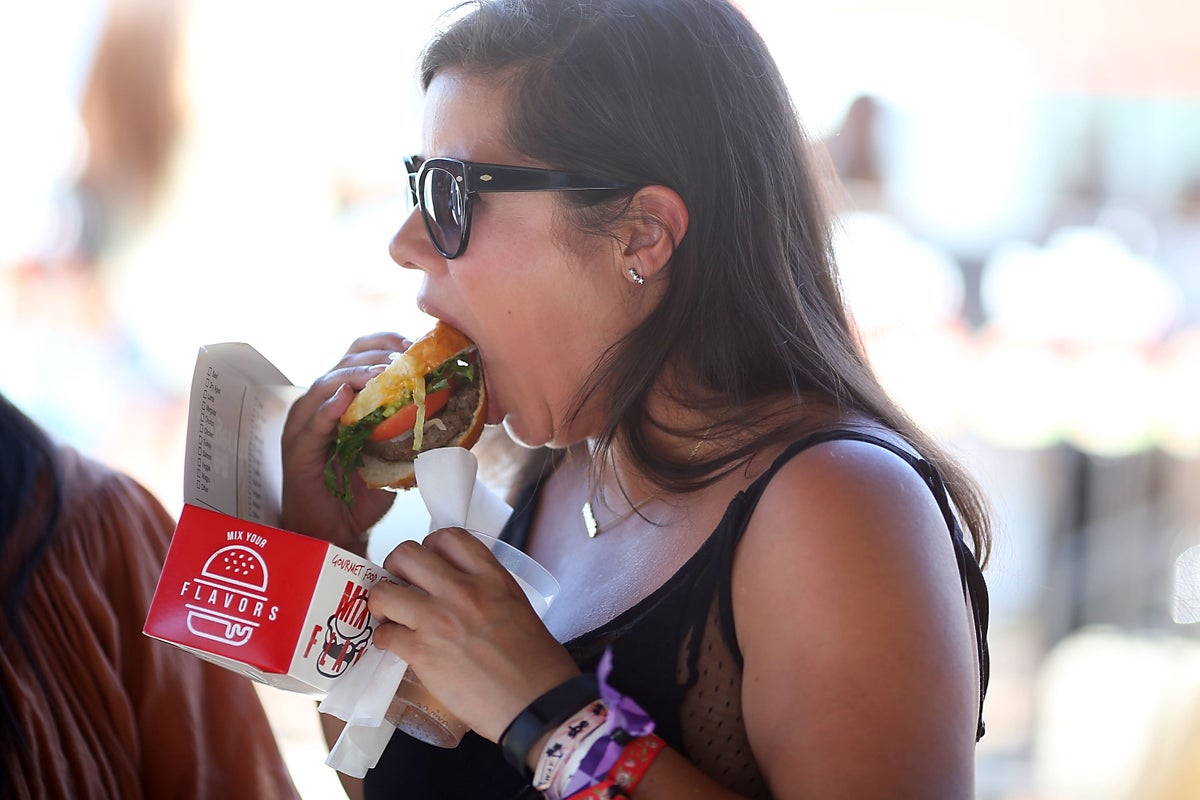
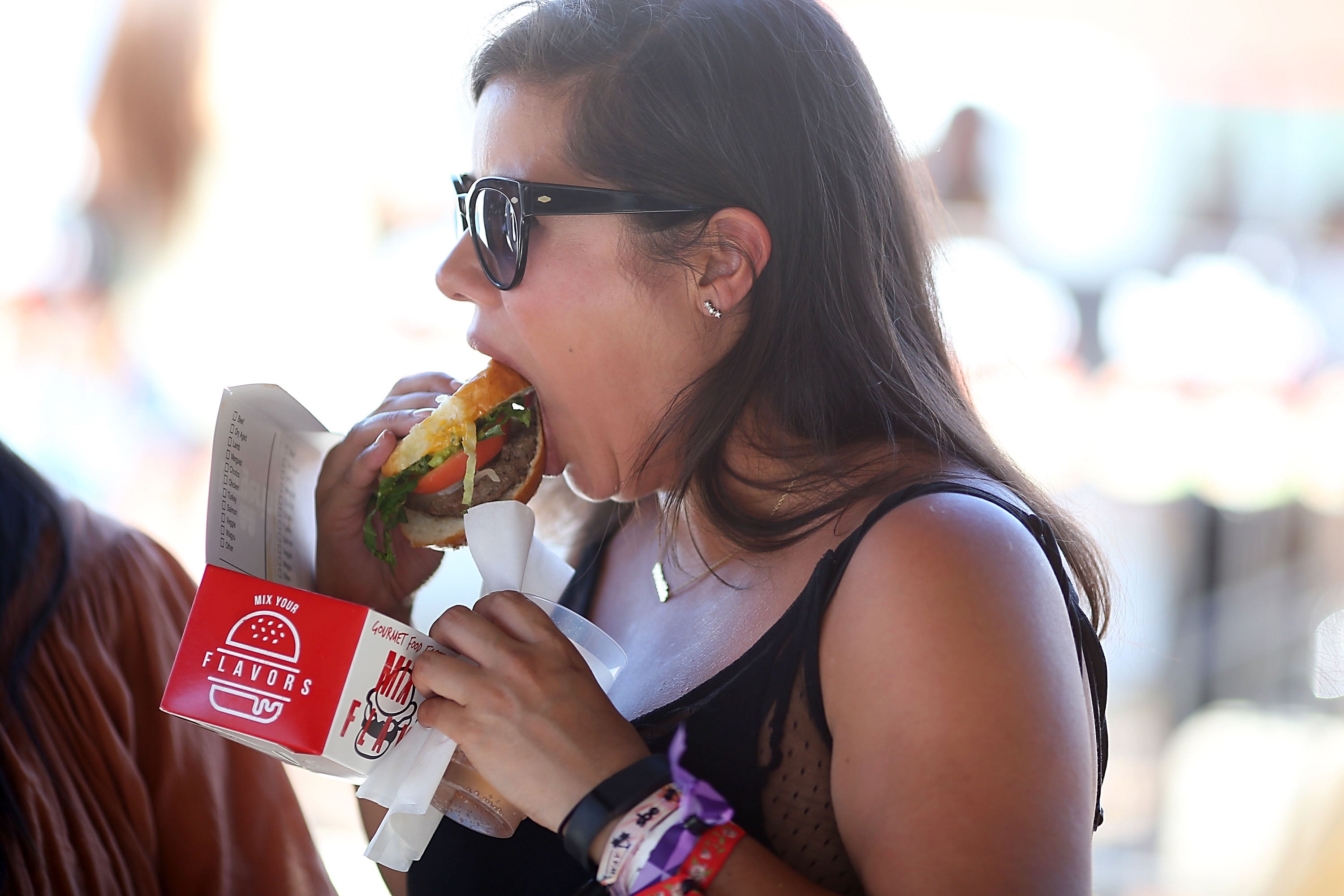 open image in galleryBurgers, hot dogs and other ultraprocessed foods are known to harm human health. Now San Francisco is suing foodmakers (Getty Images for Kaleidoscope)
Sarah Gallo, Senior Vice President of Product Policy of The Consumer Brands Association, told The Independent in a statement that America’s household brands support Americans in making healthier choices, citing efforts to increase protein and fiber content and remove synthetic color additives.
The association represents many food manufacturers.
“There is currently no agreed upon scientific definition of ultra-processed foods and attempting to classify foods as unhealthy simply because they are processed, or demonizing food by ignoring its full nutrient content, misleads consumers and exacerbates health disparities,” she said.
“Companies adhere to the rigorous evidence-based safety standards established by the Food and Drug Administration to deliver safe, affordable and convenient products that consumers depend on every day,” Gallo added.
But Chiu told told The Independent the science is what prompted the action.
“There’s been a real tipping point in the science. We all suspected for years that the ultraprocessed food industry was leading to these terrible health outcomes, but now the science is undeniable,” he said. “We are seeing studies come out on almost a monthly basis that document that link and we have to act.”
The cost of tasting strangely good
More than half of the American diet is made up of sugary, salty and fatty ultraprocessed foods, such as smoked meats, cookies and chips. Eating these foods has recently been tied to premature death, heart disease, cancer and diabetes.
Ultraprocessed foods, like energy drinks or hot dogs, are formerly whole foods containing one or more ingredients that wouldn’t be found in a kitchen, including preservatives or sweeteners, and that undergo chemical alterations designed to appeal to consumers. They are also designed to cause people to overeat, according to Dr. Julia Wolfson, an associate professor at the Johns Hopkins Bloomberg School of Public Health.
While soy milk, yogurts, oatmeal and meat alternatives aren’t as concerning for human health, many are junk foods loaded with hundreds more calories per gram than whole foods.
These foods were first marketed to Americans en masse in the 1960s and 1970s, with production increasing “dramatically” between the 1980s and 1990s, according to Chiu.
Since then, dozens of studies have found negative health consequences, linking consumption to higher risks for dementia, depression, Parkinson’s disease and strokes. And rates of obesity and cancer in younger adults have risen, with doctors tying the increases to the foods.
Now, some 70 percent of the U.S. food supply is ultraprocessed, according to the U.S. Food and Drug Administration.
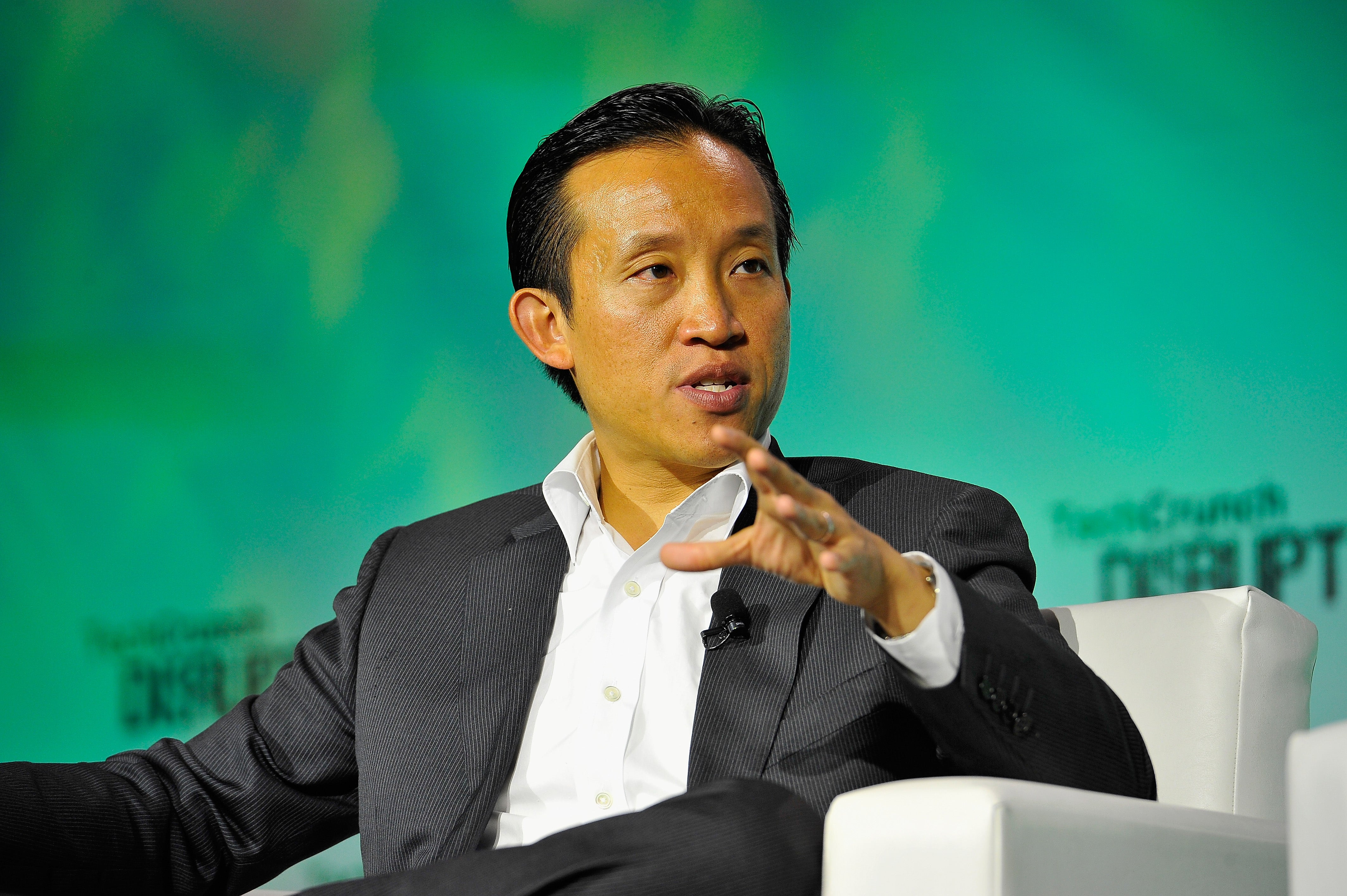 open image in galleryCity of San Francisco Attorney David Chiu claims American food companies created a public health crisis (Getty Images for TechCrunch)
A reverse paper tiger
The suit, which will be filed in San Francisco Superior Court on behalf of the State of California, further claims that companies used the techniques of Big Tobacco to increase their profits, including sharing information and technology when consolidating and targeting children – particularly low-income consumers and Black and Latino children – with ads and cartoon mascots like Tony the Tiger.
“These products are not just unhealthy, they are engineered to be addictive, disproportionately harm low-income communities and communities of color, and contribute to rising rates of chronic illness like diabetes, heart disease and cancer,” said San Francisco Director of Health Daniel Tsai.
Lastly, the suit says these health consequences were made apparent to the food industry decades ago, citing an April 1999 meeting of chief executive officers in Minnesota.
Leaders at Kraft and Pillsbury warned others that companies had gone too far in engineering and marketing ultraprocessed foods — but the presentation was not well received, according to the Office of the City Attorney.
Because of all this, the suit will seek unspecified damages and requests that companies take action to “correct or lessen the effects of their behavior.”
“The lawsuit also seeks restitution and civil penalties to remedy the public nuisance and help local governments offset astronomical health care costs associated with ultra-processed food consumption,” the office said.
More about
San FranciscoFoodLawsuitcompaniesCaliforniaJoin our commenting forum
Join thought-provoking conversations, follow other Independent readers and see their replies
Comments