- News
- Health
His bereaved mother says it is ‘not fair’ that a child’s care can depend on where they live
Ella PickoverWednesday 03 December 2025 00:01 GMTComments
 CloseWhat to know about Glioblastoma
Sign up for our free Health Check email to receive exclusive analysis on the week in health
Get our free Health Check email
Get our free Health Check email
Email*SIGN UPI would like to be emailed about offers, events and updates from The Independent. Read our Privacy notice
A new review suggests children with brain tumours face “uneven” NHS care depending on where they live.
The Tessa Jowell Brain Cancer Mission conducted a review of the UK’s paediatric neuro-oncology system, examining 15 out of 17 services, identifying gaps in the care that children with brain tumours may face, from testing to wraparound care and a lack of access to clinical trials in some parts of the country.
The authors of the report said there is a “lack of standardisation” in quality of care for patients, which can lead to “substantial variation” in important services, including psychological care, rehabilitation, or play therapy.
“This key challenge is apparent in patient feedback, which demonstrates uneven experiences and outcomes for children and their families, depending on where they receive treatment,” the authors wrote.
“There are notable disparities in access to clinical trial opportunities… a particular challenge is ensuring patients who live far from large academic centres can still participate in new research.”
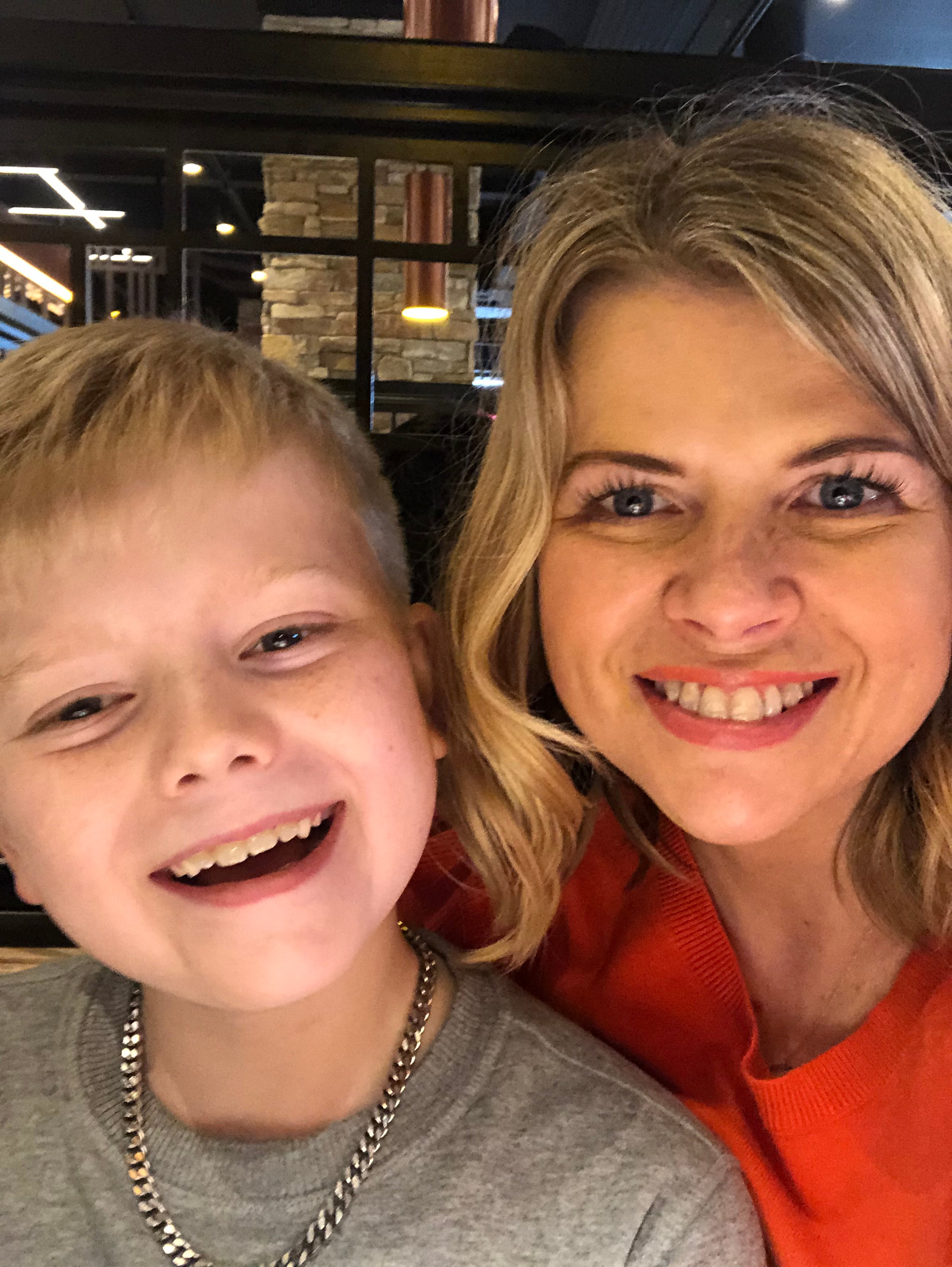 open image in galleryLouise Fox with her son George (Louise Fox/PA)
Louise Fox, whose son George died from a glioblastoma in 2022 when he was just 13, said it is “not fair” that a child’s care can depend on where they live.
The 51-year-old, from Bedfordshire, said: “George was a bright, kind and caring boy who dreamed of becoming an architect and loved Lego, Arsenal and golden retrievers.
“George had a devastating 11.5 months from the first headache to losing his life, one he so desperately wanted to live to its fullest.
“During his illness, we encountered moments of exceptional care but we also faced stark disparities in access geographically and in support services.
“It became heartbreakingly clear: whether a child lives in London, Newcastle, or a small town or village can determine the treatment journey they receive. This is not fair.
“Every child deserves the best care, wherever they live.”
 open image in galleryGeorge died from a glioblastoma in 2022 when he was just 13 (Louise Fox/PA)
The review’s other findings include:
- Concerns over delays in genetic testing and whole genome sequencing.
- Shortages of rehabilitation staff in some centres and particular concerns about access to specialist rehabilitation for children who lived far away from the hospital.
- Only half of the patients had access to a play specialist, and education support was not uniform.
- Only a small number of centres offered clinical trials to patients who lived far away from the hospital or centre.
Dame Tessa, a former Labour cabinet minister, died from a brain tumour in 2018.
Nicky Huskens, chief executive of the Tessa Jowell Brain Cancer Mission, said: “For the first time, we have a detailed national picture of where care for children with a brain tumour excels and where it falls short.
“This study shows that, for children with a brain tumour in the UK, whereabouts in the country they live, and whether they live in a city or in a rural area, can affect their treatment and care.
“The treatment and care of children with a brain tumour should not be impacted by their postcode.
“The task is now to turn the insights in this study into action, and ensure every child has access to the highest standards of treatment, care and research.
“Already, centres in the study are making significant, targeted improvements.”
Main symptoms of a malignant brain tumour (brain cancer)
NHS
The symptoms can vary depending on the type of tumour, where it is in the brain, what's causing it and how quickly it's growing.
Common symptoms may include:
- new headaches, or headaches that are getting worse – these usually happen with other symptoms
- feeling sick (nausea) or being sick (vomiting) when moving suddenly – this usually happens with other symptoms
- fits (seizures)
- eye problems that are getting worse, such as blurred vision, seeing dots and lines or flashes of light, or not being able to see out of the corners of your eyes
- being very sleepy or fainting (losing consciousness)
- changes to behaviour or personality, such as problems with thinking and concentration
The organisation has created a “road map” to improve treatment and care for children with brain tumours, which includes key recommendations from the report.
Dr Karen Noble, director of research, policy and innovation at the charity Brain Tumour Research, said: “Children with brain tumours are being denied access to clinical trials due to inconsistent routine testing or lengthy turnaround times for results.
“Whole genome sequencing of brain tumour tissue reveals powerful information that unlocks access to clinical trials based on cancer biology rather than location in the body. Without it, the pool of trials that patients can be part of shrinks.
“We are calling on governments across the UK to ensure that 100 per cent of brain tumour patients are offered genome sequencing and that access to clinical trials is expanded.
“The technology is there – let’s use it to make a difference. Together we can find a cure.”
More about
brain cancerUKBedfordshireLondonNHSJoin our commenting forum
Join thought-provoking conversations, follow other Independent readers and see their replies
Comments