- News
- Business
Data from the Office for National Statistics reveals around 280,000 businesses across the UK closed in 2024, down from 310,000 in 2023.
Sonja TuttyWednesday 03 December 2025 00:01 GMT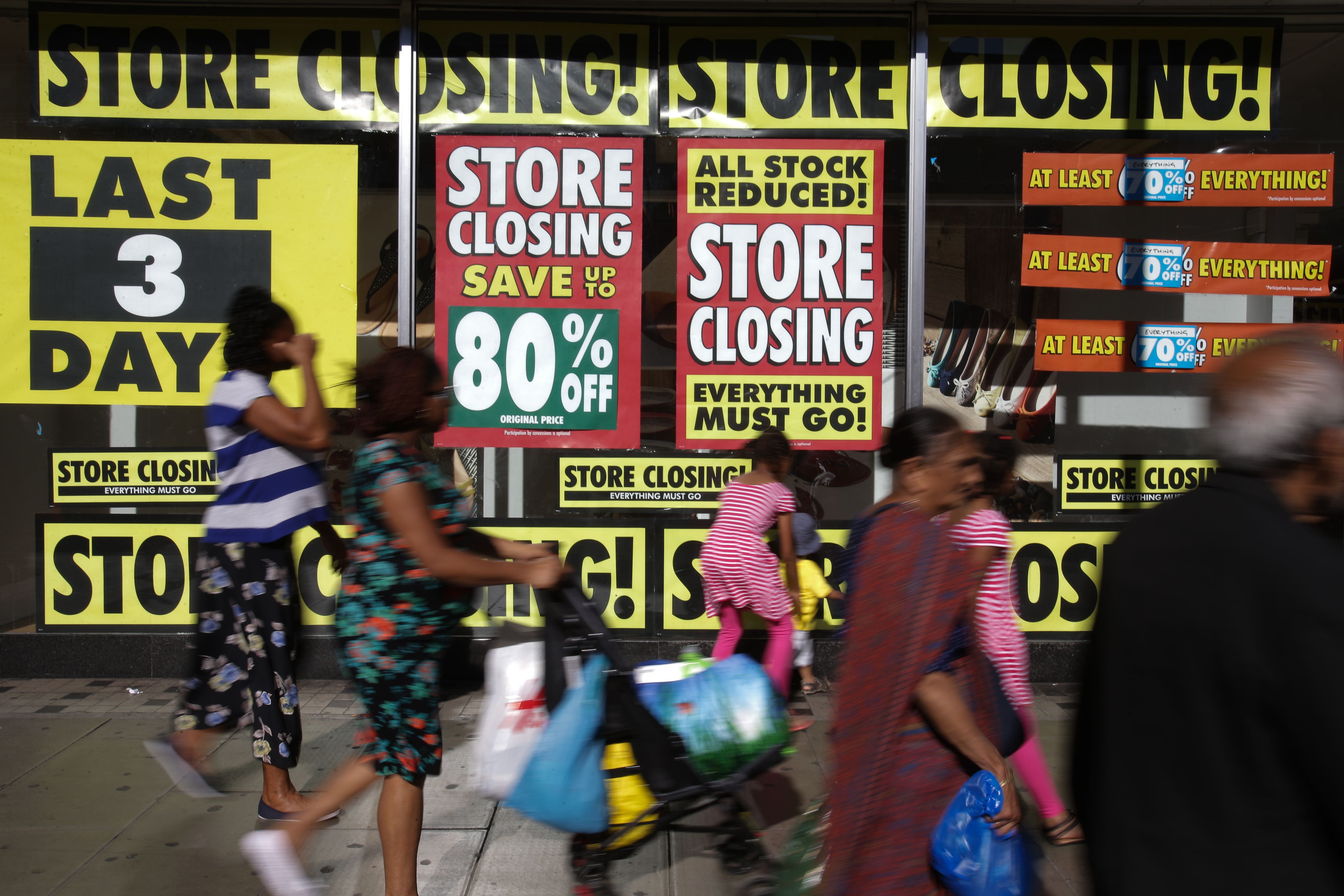 open image in galleryThe rate of businesses closing their doors in the UK last year was the lowest level since 2016, recent figures show (PA) (PA Archive)
For free real time breaking news alerts sent straight to your inbox sign up to our breaking news emails
Sign up to our free breaking news emails
Sign up to our free breaking news emails
Email*SIGN UPI would like to be emailed about offers, events and updates from The Independent. Read our Privacy notice
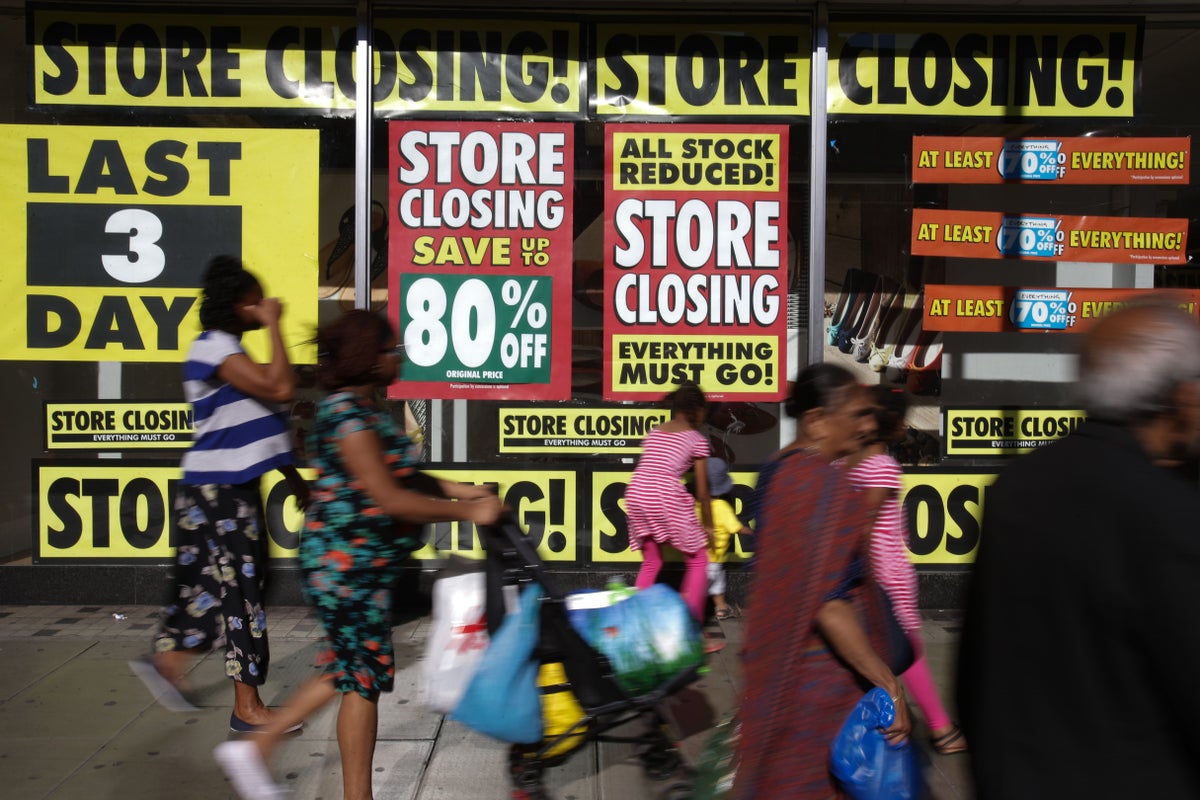
The rate of businesses closing their doors in the UK last year was the lowest level since 2016, recent figures show.
Data from the Office for National Statistics (ONS) reveals around 280,000 businesses across the UK closed in 2024, down from 310,000 in 2023.
It meant 9.8% of active businesses last year shut their doors, down from the so-called death rate of 10.8% in 2023.
The ONS said it was the lowest death rate recorded since 2016, when 9.7% of businesses closed.
The West Midlands had the highest death rate last year (10.6%), while Northern Ireland recorded the lowest (7.3%).
The figures also showed the number of new businesses created across the UK increased from about 316,000 in 2023 to 317,000 last year.
They accounted for 11.1% of active businesses last year, up slightly from the “birth rate” of 11% in 2023.
Jonny Haseldine, head of business environment policy at the British Chambers of Commerce, said: “Starting and growing a business is a hugely rewarding but challenging task.
“These latest figures are encouraging, particularly seen alongside the difficult economic backdrop of recent years.”
He warned business confidence “remains low”, adding the Government needs to “be doing much more to help firms across the UK”.
He said: “While last week’s Budget didn’t pile another tax hike on all businesses, the Chancellor’s statement lacked specific growth measures that will really spark business investment and recruitment.”
The ONS figures also showed 38.4% of UK businesses created in 2019 survived to 2024.
Additionally, 14,330 “high-growth” businesses were recorded last year – making up 4.9% of business.
It was the highest rate since 2018.
A high-growth business is defined as a firm where the average annual growth in the number of employees surpasses 20% over a three-year period.
The Federation of Small Businesses (FSB) said the increase in high-growth firms is welcome, but added small businesses outside this group are predicting stagnation.
The FSB said its Small Business Index report for the third quarter of this year showed a 30% increase in the proportion of small firms expecting to downsize, close, or sell in the next 12 months.
Some 18% of small businesses said they expect to grow over the same period.
Tina McKenzie, policy chair at the FSB, said: “The survey was carried out before the Budget, and shows that, after the domestic economy, the tax burden was small businesses’ second-largest perceived barrier to growth, followed by labour costs.
“With a Budget that did not alleviate these concerns, the majority of small firms could find the next year tough going.
“One issue where the action taken by the Government could be decisive, stemming the loss of dozens of small firms each day, is tackling late payment.
“The very sensible proposals to make large companies more accountable for their payment practices, included in the summer’s Small Business Plan, need to be included in the King’s Speech, so that small firms in supply chains can have more security about their cashflow, and not have to waste time and effort chasing up overdue invoices.”
A Government spokesperson said: “This Government is determined to make the UK the best place in the world to do business and last week’s Budget doubled down on this long‑term plan.
“This increase in businesses helping to grow the economy shows why our plan for small businesses is so important, not to mention our proposals to slash red tape, speed up licensing reforms and create a fairer business rates system.”